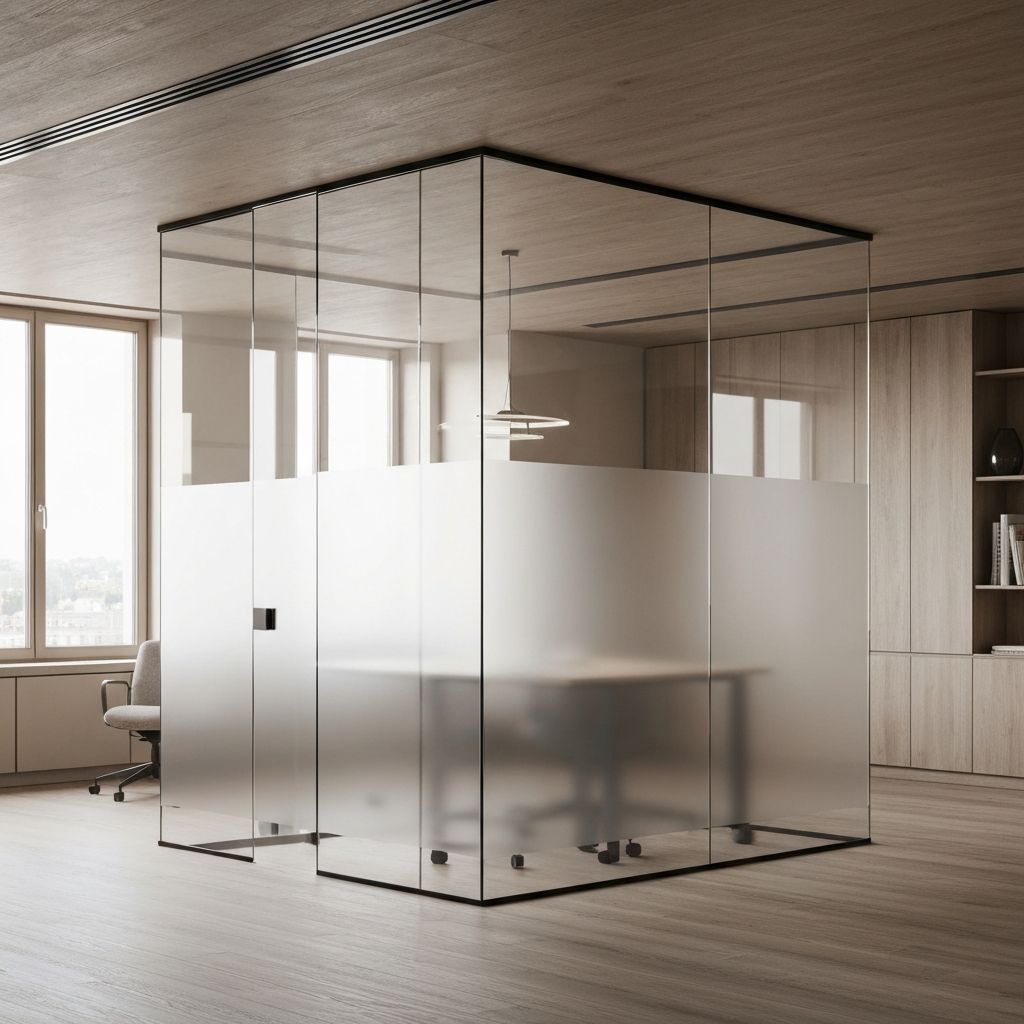
Smart Film technology is available in several types, each designed for different environments and requirements. Whether you prioritize maximum optical clarity, solar heat rejection, or a specific aesthetic, selecting the correct type ensures your switchable glass solution performs as intended.
This guide helps you understand the main Smart Film types in the CYTINT range and how to match them to your project needs.
Start with the Purpose of the Glass
Before comparing film types, clarify what you need the glass to achieve. Different priorities lead to different recommendations.
Privacy Control
On-demand opacity for meeting rooms, bathrooms, or consultation areas
Solar Control
Heat rejection and glare reduction for sun-exposed glass
Premium Visual Clarity
Maximum transparency for luxury or design-focused environments
Decorative / Specialty
Custom colors, logos, or unique visual effects
Main Smart Film Types in the CYTINT Range
The CYTINT range includes four primary Smart Film types, each optimized for different applications and performance requirements.
Ultra Clear White
Most VersatileThe most commonly specified Smart Film type. Offers excellent clarity when transparent and strong privacy when opaque. Suitable for general-purpose applications across offices, meeting rooms, and internal partitions.
Transparency
High
Tint
None
Heat Rejection
Standard
Privacy Effect
Full opaque white
Best For
Super Clear White
Premium ClarityThe highest transparency available in the CYTINT range. Designed for premium and design-led spaces where optical clarity is essential. Ideal for luxury environments and architectural showcases.
Transparency
Highest
Tint
None
Heat Rejection
Standard
Privacy Effect
Full opaque white
Best For
Low-E Grey
Solar ControlCombines switchable privacy with solar heat rejection. Features a subtle grey tint that reduces glare and heat gain. Recommended for bright environments and glass facing direct sunlight.
Transparency
High
Tint
Subtle grey
Heat Rejection
Enhanced
Privacy Effect
Opaque grey
Best For
Low-E Black
Maximum PerformanceStrongest solar control performance with a bold aesthetic. Provides daytime privacy even when transparent due to its darker appearance. Best for projects prioritizing heat rejection and visual impact.
Transparency
Moderate
Tint
Dark grey/black
Heat Rejection
Maximum
Privacy Effect
Opaque black
Best For
Specialty Options
For projects with unique requirements, specialty options are also available:
Contact us to discuss specialty requirements.
How to Compare the Options
When evaluating Smart Film types, consider these five key factors:
| Type | Transparency | Tint | Heat Rejection | Privacy |
|---|---|---|---|---|
| Ultra Clear White | High | None | Standard | Opaque white |
| Super Clear White | Highest | None | Standard | Opaque white |
| Low-E Grey | High | Grey | Enhanced | Opaque grey |
| Low-E Black | Moderate | Dark | Maximum | Opaque black |
Which Type Is Best for Different Projects?
Here are typical recommendations based on common project types:
Corporate Offices
Versatile, professional appearance, strong privacy for meetings
Luxury Villas
Maximum optical clarity for premium residential environments
Bright Commercial Spaces
Solar control reduces heat and glare in sun-exposed areas
Design-Led Interiors
Highest clarity or custom design integration for visual impact
External Glass / Facades
Maximum solar performance and daytime privacy from outside
When to Ask for Guidance
While this guide provides a solid foundation for understanding Smart Film types, every project has unique variables—glass orientation, climate exposure, aesthetic requirements, and integration complexity.
CYTINT provides consultation to help select the correct type based on your actual application. Whether you are an architect specifying for a new build, a designer planning interior partitions, or a homeowner upgrading existing glass—we can recommend the most suitable option for your requirements.